
World Food Day 2026: How Innovative technology is strengthening food security for remote communities

Image above: Smallholder farmers bringing their produce to market in Achham District, Nepal.
Written by Aastha Chhetri (MEAL & Communication Officer – Nepal team)
This World Food Day, the theme “Innovate today. Nourish tomorrow.” highlights the vital role that forward-thinking solutions, traditional knowledge and inclusive approaches can play in building a more food-secure future.
Around the world, millions of people still face challenges accessing sufficient, safe and nutritious food, particularly in remote communities where limited infrastructure and climate pressures can make everyday life more difficult.
In hard-to-reach areas in Nepal, we are seeing firsthand how clean energy is helping to turn essential services into pathways to food security. Solar-powered multiple-use water systems (Solar MUS) provide water for drinking, cleaning and washing, while also supplying enough for irrigation, helping families meet their daily needs and grow more food. Technologies such as solar dryers and cold storage extend the life of perishable produce, including fruit and vegetables, while climate-smart approaches such as integrated pest management and polytunnels support organic, off-season production. And wherever possible, we use battery-free technology to maximise sustainability and long-term impact.
The snapshots below show how clean energy-enabled innovations in Nepal are improving food security, increasing incomes and creating new opportunities for families and communities to thrive.
Greater financial independence through farming
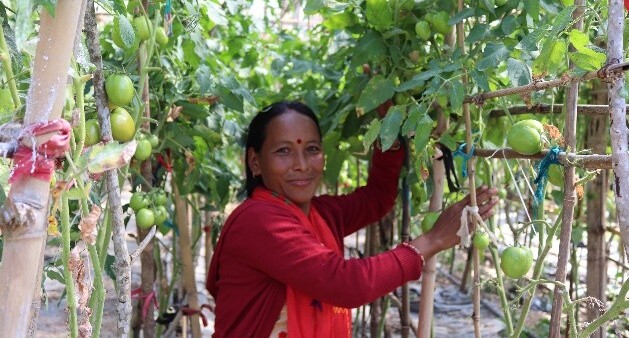
For Nanda Gautam of Dhanighad, Surkhet, our SolarMUS IIIa project has opened the door to greater financial independence. Before the solar-powered water system was installed, unreliable rainfall and limited access to water made irrigation difficult, restricting agricultural production. Today, a reliable water supply enables Nanda to grow crops, cover household costs, including water bills, and plan future investments in livestock farming.
Earning and supporting her family
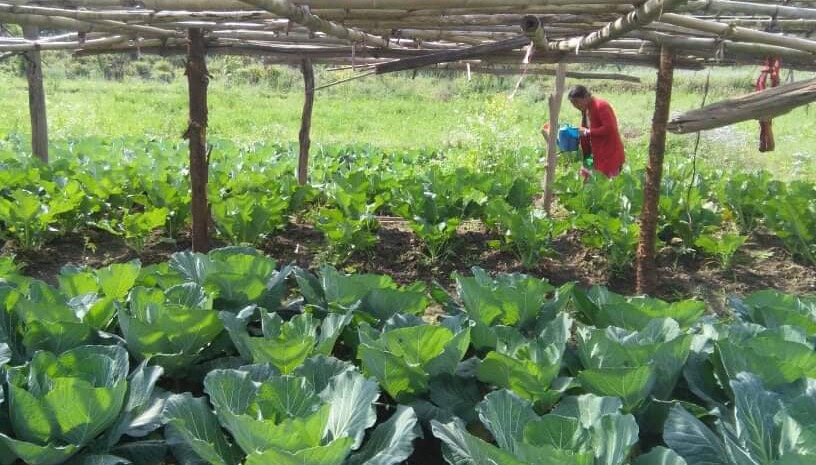
In Rolpa, Devisara Gurung earns around NPR 23,000 each month from vegetable sales through the SolarMUS III project. Previously, limited access to water and the high cost of irrigation made year-round cultivation a challenge. With solar-powered water pumping providing a reliable and affordable water supply, she can grow vegetables, earn a steady income, cover everyday expenses, and buy school supplies for her children.
Growing new opportunities through sustainable farming
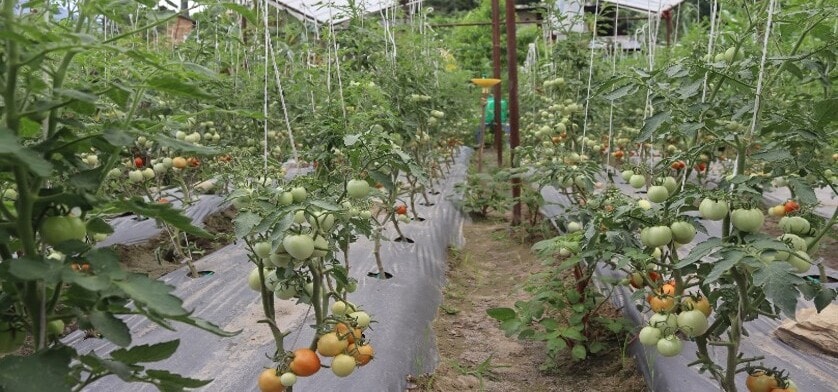
With support from the UREKA project, Dammar Baduwal, a farmer from Totkesaal, Achham, sold more than 25 kilograms of tomatoes from his plastic greenhouse in just two months, earning NPR 2,500. Previously, unsuccessful pig farming and retail ventures, along with flood damage to his fishpond, left Dammar with limited livelihood options. Unreliable water supplies also meant cultivation was largely restricted to the monsoon season and often affected by pests and disease. Through a solar-powered water system, improved agricultural training, quality seeds and a greenhouse, Dammar can now grow off-season tomatoes, creating a new source of income and helping improve his family’s livelihood.
Adding value through solar-powered processing
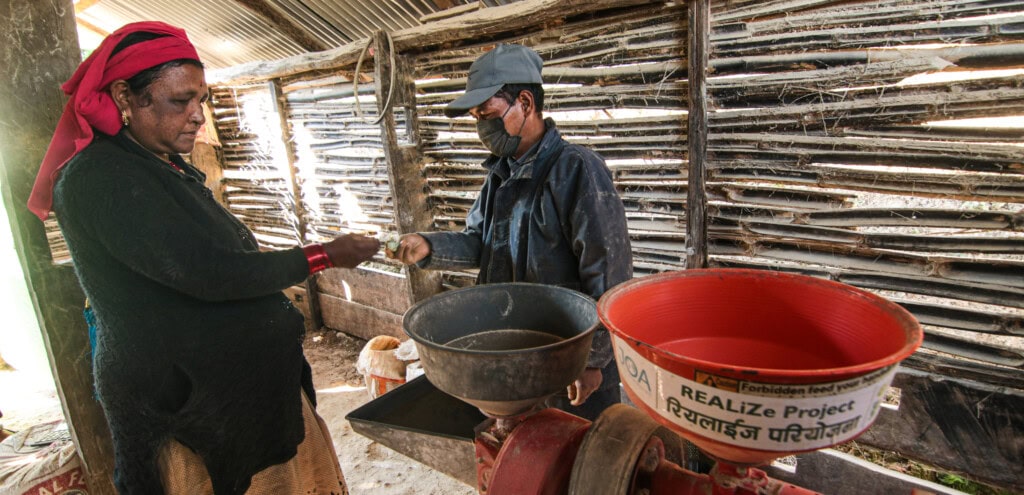
In Sadhane, our REALIZE 1 project has created new income opportunities through a solar-powered grinder and dryer. Using energy generated directly from solar panels to power its motor, the battery-free grinder can process 500-600kg of produce on a typical sunny day and provides its caretaker, Lok Bahadur Gharti, with a monthly income of NPR 15,000-20,000. Meanwhile, the solar dryer can process up to 50kg of ginger in a single sunny day, helping local producers add value to their crops and increase their earnings.
Turning farming into a thriving business
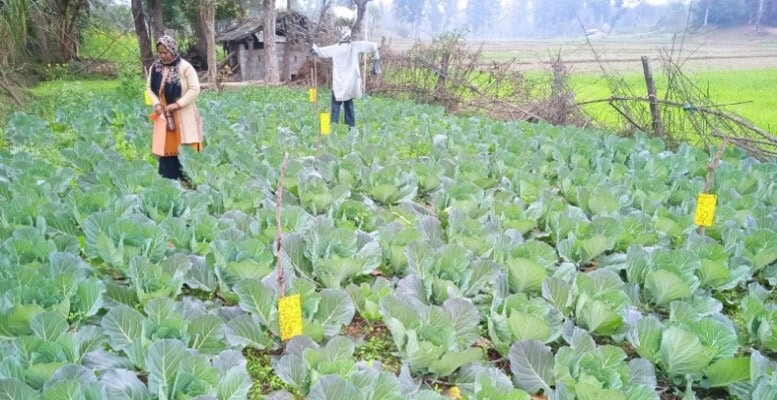
Anita Tharu, a farmer in Baijanath Rural Municipality, has transformed her farm into a flourishing business with support from the ENRICH project. Previously, limited access to water made it difficult to grow vegetable crops, but a drip irrigation system introduced through the project has provided a more reliable and efficient way to irrigate her farm. Combined with training in nursery management, pest control, and commercial vegetable production, this has helped Anita grow her business, with monthly vegetable sales of around NPR 50,000 supporting her family and funding her children’s education.
Reducing losses, increasing profits
In Sanfebagar, Achham, a new five-tonne solar cold storage facility supported by UREKA allows smallholder farmers to store produce for longer and sell it during the off-season, when market prices are often higher.

Inspiring other women farmers
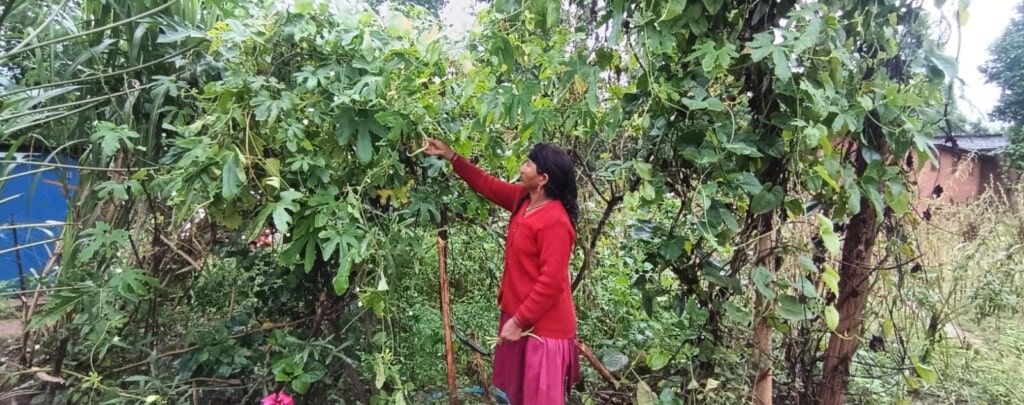
Through our REALIZE 1 project, Devi Rana of Salyan has expanded production of kidney beans, onions, tomatoes and other vegetables. Previously, with no piped water system, she spent hours each day fetching water from the Babai River. A solar-powered multi-use water system installed through the project now provides reliable water through household taps, while seeds and technical support have helped her cultivate high-value, climate-resilient crops such as kidney beans and onions. Her success not only provides nutritious food and additional income for her household but has also inspired other women in her community.
Growing food closer to home
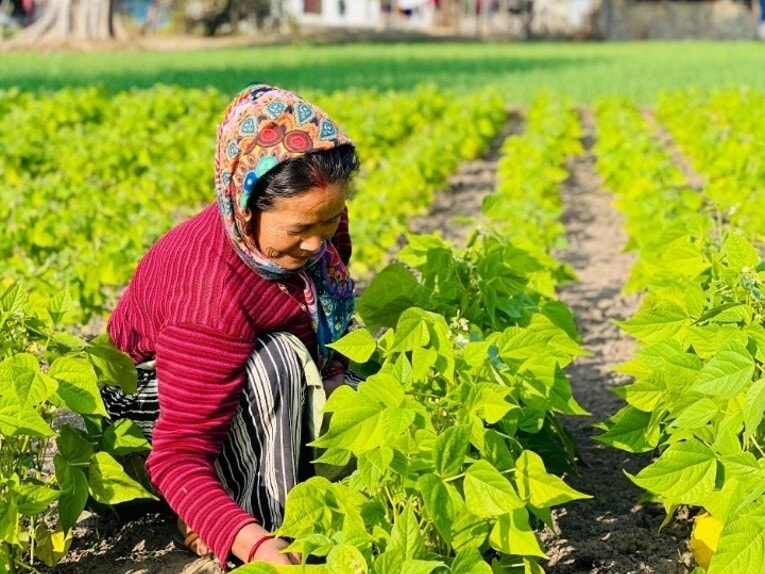
Padami Basnet, from Jajarkot, has benefitted from a solar-powered multi-use water system introduced through our E4WASH Scale-up project. The system pumps water from local streams and springs to a hilltop storage tank, from where it flows by gravity to household taps, providing reliable water for domestic use, livestock and irrigation. Combined with climate-smart agriculture training, this has enabled families to grow crops year-round, including during the dry season. Padami says: “In the past, no one was seen growing vegetables around their homes during the dry season, but now everyone grows at least a little; I, too, have planted beans, snake gourds, and turmeric for my own consumption. I no longer have to buy them.”
These snapshots show how clean energy innovation is helping remote communities strengthen food security today while building resilience for tomorrow. From irrigation and food production to processing, storage and income generation, solar-powered technologies are creating opportunities for farmers to grow more, earn more and improve their quality of life. In the spirit of this year’s World Food Day theme, “Innovate today. Nourish tomorrow.”, they demonstrate how practical, locally led solutions can help create a more food-secure future for all.
With huge thanks to our generous funders and dedicated partners, whose support, expertise and collaboration make all this work possible.
Find out more about all our projects on our projects page, or explore the different ways you can get involved in supporting our work.