
‘What I catch Is what I sell’: How clean energy is cutting food waste on Takawiri Island
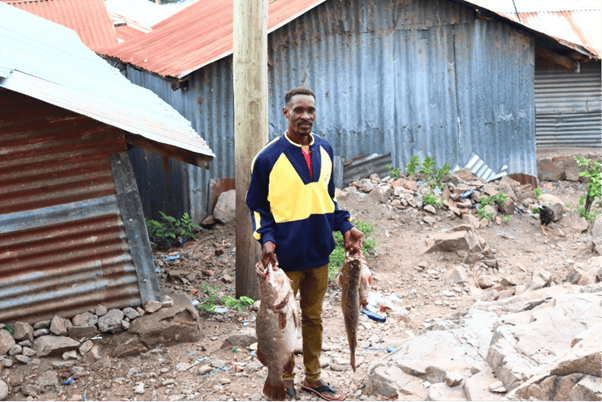
This Stop Food Waste Day, Wendy Gichobi from our Kenyan team reflects on how access to clean energy is helping communities on Takawiri Island in Lake Victoria to cut food loss in practical, sustainable ways – while also strengthening local livelihoods.
Picture above: Ongata, a fisherman on Takawiri Island
Challenges facing the fishing community
For Ongata, a fisherman on Takawiri Island, every trip to the lake used to feel like a race against time. The moment the fish left the water, heat and long distances could turn a good day’s catch into a loss within hours. Getting ice meant an hour-long boat ride to Mbita which was costly, exhausting, and often ended in disappointment. Without it, much of his catch spoiled before reaching the market, cutting deeply into his income.
‘Sometimes I would get there and find there was no ice left, it was painful throwing away almost half the fish I had worked hard to catch’.
With no ice or refrigeration close by, fishermen often had a short window to sell their catch. For Ongata, that meant accepting whatever price a buyer offered. ‘I didn’t have an option’ Ongata recalls, ‘it was either selling everything, no matter the price offered, or loosing my catch. Buyers knew they had the upper hand’.
Cutting food waste with access to clean energy
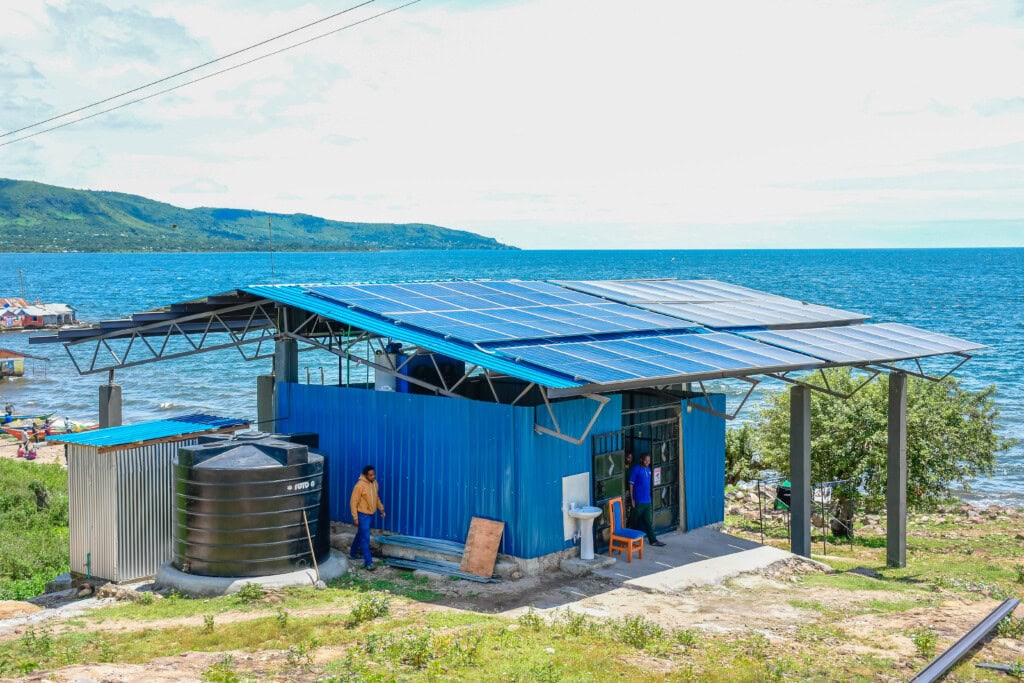
Recognising that 1,970 households on Takawiri faced the same challenges, Renewable World, together with Adili Solar Hubs and the Homa Bay County Government, set up a solar-powered ice machine on the island. With local, reliable and affordable ice now available, harvest spoilage has dropped and fisherfolk are earning more, strengthening the community’s overall resilience.
The Impact: ‘What I catch is what I sell‘
Today, Ongata’s story as a fisherman on Takawiri Island looks very different. With access to clean energy, he now buys ice right on the island – no boat trips, no waiting, no wasted time.
‘It has reduced post-harvest losses and increased our income and savings. We no longer depend on suppliers from Mbita.’
With the ability to store fish for up to two days, Ongata can now choose when to sell, timing the market for better prices. This extra storage time has shifted the power balance. Buyers no longer have the upper hand, Ongata does. Without fear of spoilage, he can decide when and where to sell and confidently negotiates.
‘What I catch is what I sell,‘ he shares with a smile. ‘I feel proud knowing I am selling quality fish‘.
Buyers now recognise the improved quality of his fish, offering better and consistent prices. With fish waste reduced and income stabilised, Ongata is reinvesting in better fishing gear and most importantly, securing his children’s education.
Ongata’s experience is an example of how access to clean anergy, combined with reliable and affordable cold chain services, can reduce post harvest losses while increasing income.
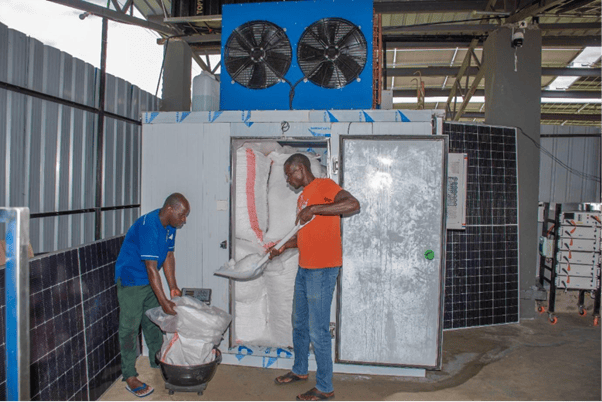
On Stop Food Waste Day, Ongata’s story shows how food waste can be dramatically reduced when practical, sustainable solutions are rooted in the heart of communities – boosting livelihoods and ensuring food reaches markets, not bins.
With big thanks to project funders EKOenergy ecolabel and local partners Adili Solar Hubs.