
Recognize, Respect, Restore: How clean energy is helping protect Takawiri's blue rangelands
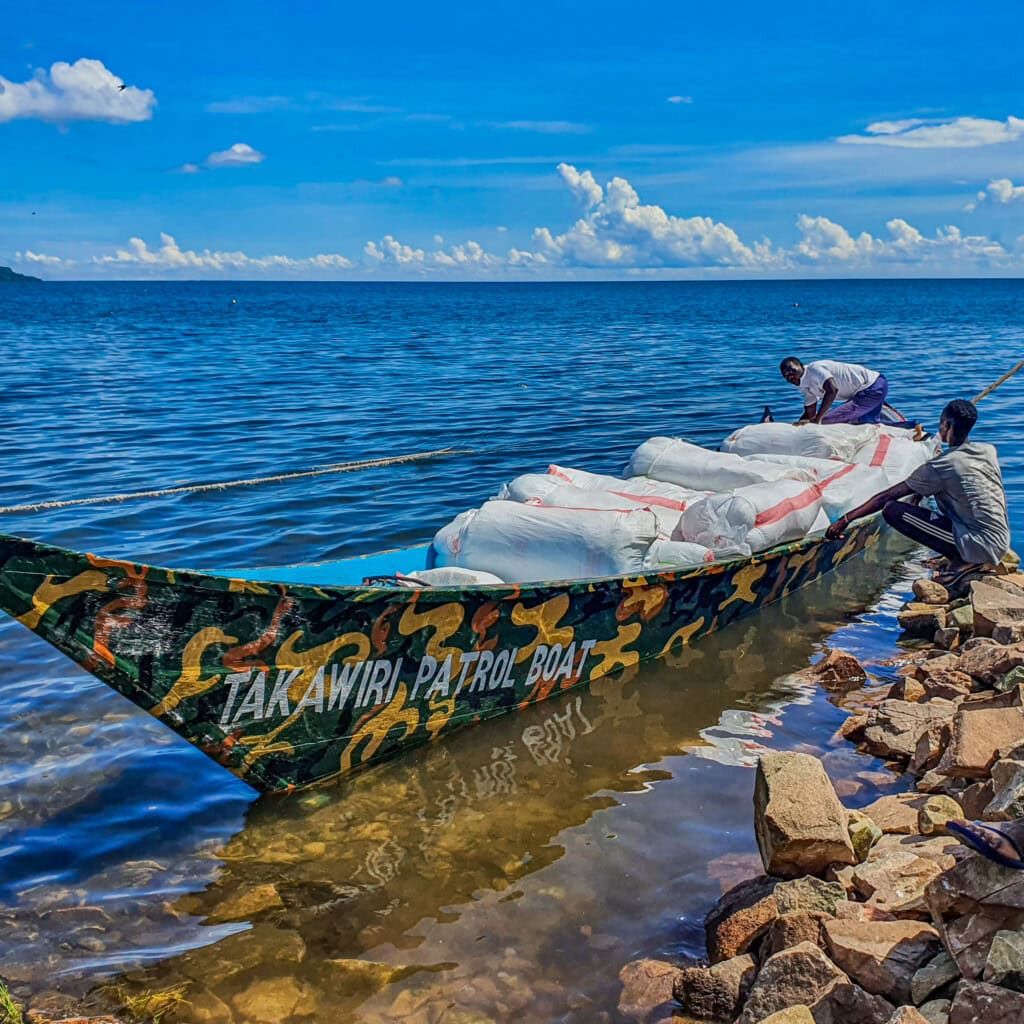
This year’s Desertification and Drought Day puts rangelands in the spotlight, but restoration is about more than dry soils and barren landscapes. It’s about protecting the natural systems that sustain livelihoods, from grasslands to the lakes and fisheries that support island communities. Under the theme ‘Rangelands: Recognize. Respect. Restore,‘ we’re urged to broaden our perspective.
On Kenya’s Takawiri Island, Project Manager Jerusha Opondo explores how our energy for ice project is using clean energy to help safeguard vital ‘blue rangelands’– aquatic ecosystems that underpin food security and income for local communities.
Recognise: Pressures on blue rangelands
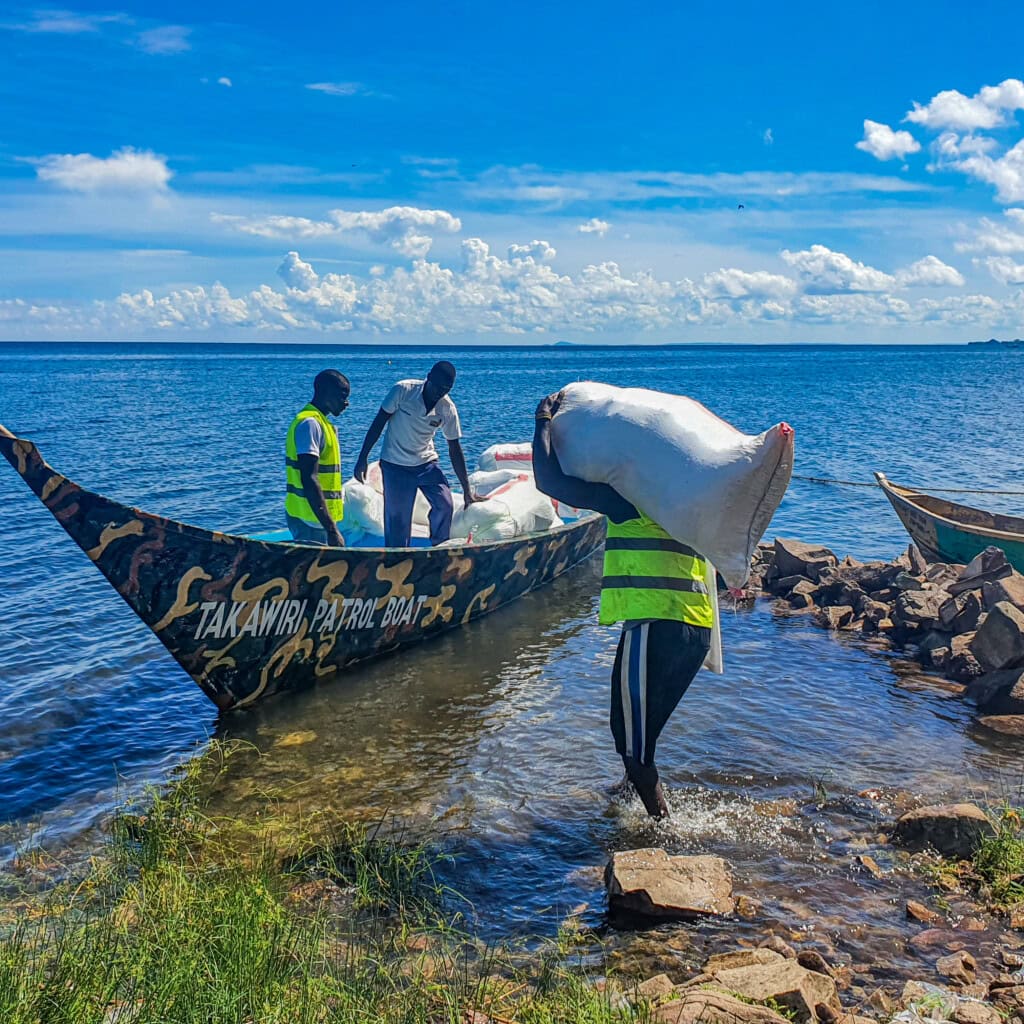
For years, fish traders on Takawiri struggled to preserve their catch. Without local ice, they depended on supplies from Mbita, a one-hour boat ride away. The trip was costly and unreliable, and much of the ice melted before arrival, causing losses and pushing fishers to catch more. This added pressure to already strained fisheries.
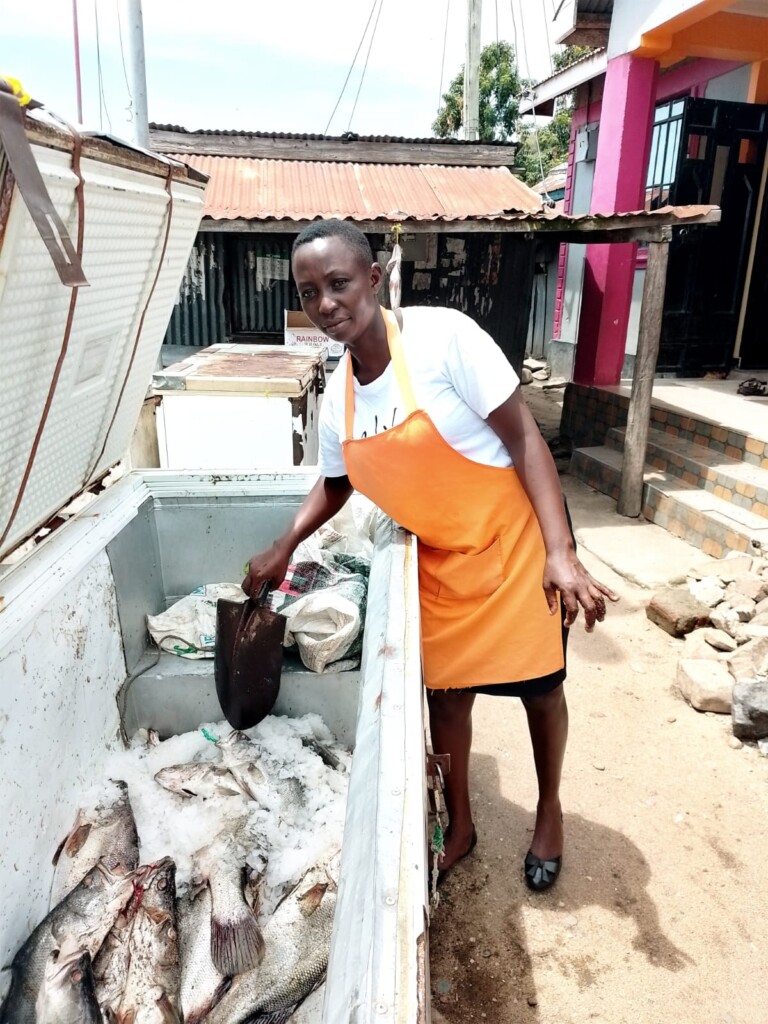
Petronile, a 35-year-old fish aggregator (a person who collects and consolidates fish from multiple fishers to sell onward) and mother of seven, remembers:
“The only source of ice was Mbita. Prices were high, and sometimes there was no ice at all. By the time we returned, much of it had melted. I would lose half of my catch and needed to get more fish to sell. Fishermen had to go back to fish more, even near hatcheries, and they used smaller nets just to come back with fish.”
Her experience shows how waste and spoilage drove overexploitation in Takawiri’s blue rangelands.
Respect: Strengthening community institutions
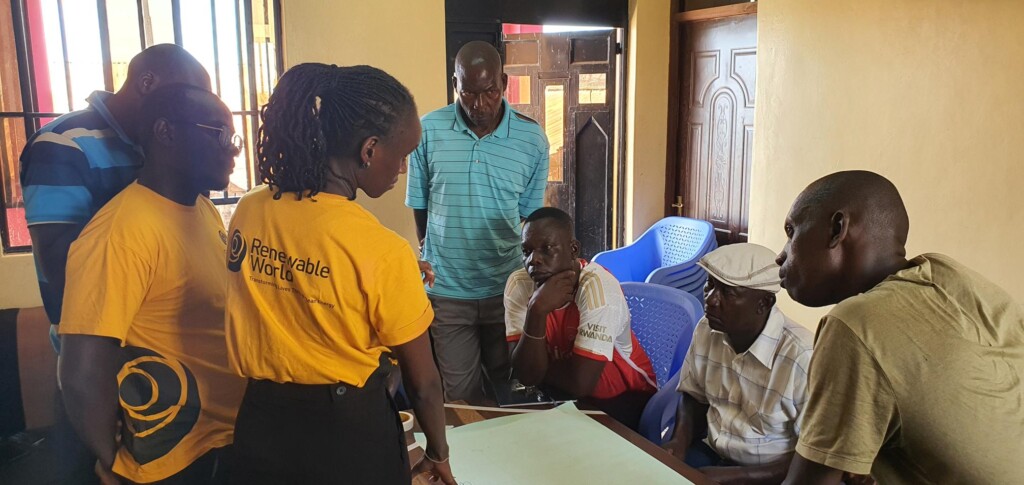
Sustainable fisheries depend on healthy ecosystems and the communities and institutions that manage them. Through practical support and training, the energy for ice project strengthens livelihoods and promotes responsible resource use. By training 15 Beach Management Unit (BMU) members, the project helps fishers use the right equipment, follow regulations, and manage resources responsibly. By investing in local infrastructure and working with BMU members, it also helps fishers and traders gain more value from each catch.
Respect means valuing local institutions as drivers of change. Empowered BMU members are essential to protecting aquatic ecosystems and ensuring stewardship comes from within the community.
Restore: Renewable Energy Creating New Opportunities
Adili Solar Hubs has now installed a solar-powered ice plant at Kamarach Beach, giving the community affordable, reliable ice. Petronile can now access quality ice and preserve her harvest.
”Nowadays, I double my profit,” says Petronile. “I don’t fear losing because I can access ice easily to preserve my fish. Now that fish waste is reduced, fishermen don’t have to go fishing more than they should.”
The benefits go beyond individual traders. Less spoilage means more value from each catch, less waste, and better food quality. With fewer losses, fishers no longer need to increase effort to make up for spoilage, easing pressure on fisheries and supporting aquatic ecosystem recovery.
Evidence from the project sites shows a 96% reduction in spoilage, showing how clean energy supports both livelihoods and restoration.
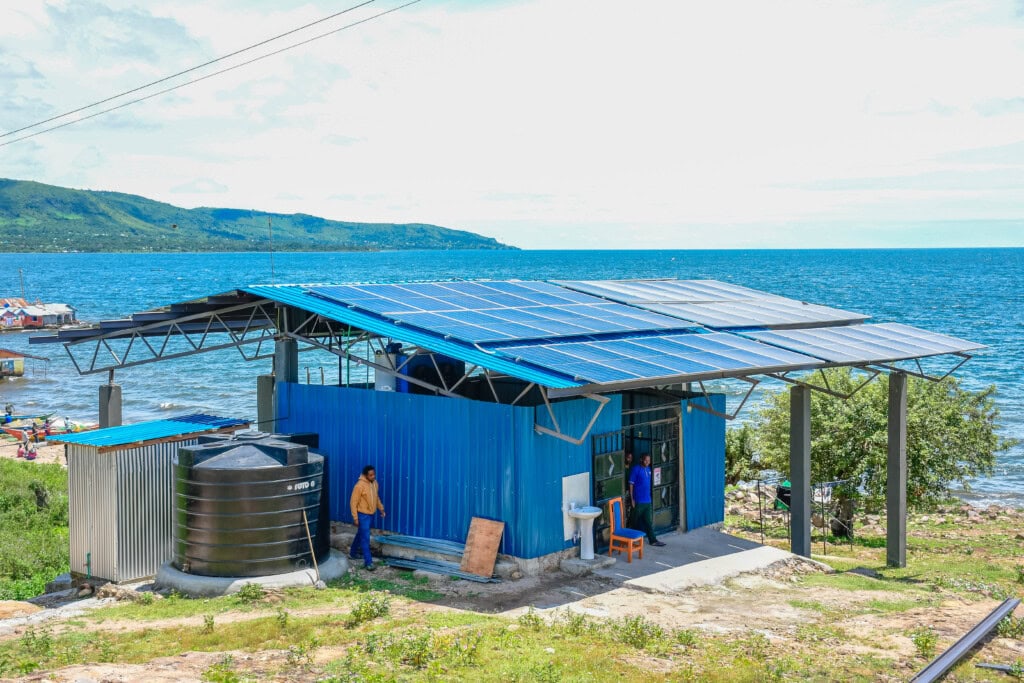
Protecting Takawiri’s blue rangelands
Petronile’s story shows how clean energy can drive both economic resilience and environmental sustainability on Takawiri Island. By improving fish preservation, traders earn more from existing catches, reducing waste and easing pressure on fisheries. This approach highlights that restoration begins with opportunity – not only recovering landscapes, but enabling communities to protect the natural resources they depend on so that both people and ecosystems can thrive.
With thanks to EKOenergy for their continued and vital support of this project.
Find out more about energy for ice project on our projects page, or why not explore the different ways you can get involved in supporting our work.