
Strengthening conservation and community resilience in Nepal
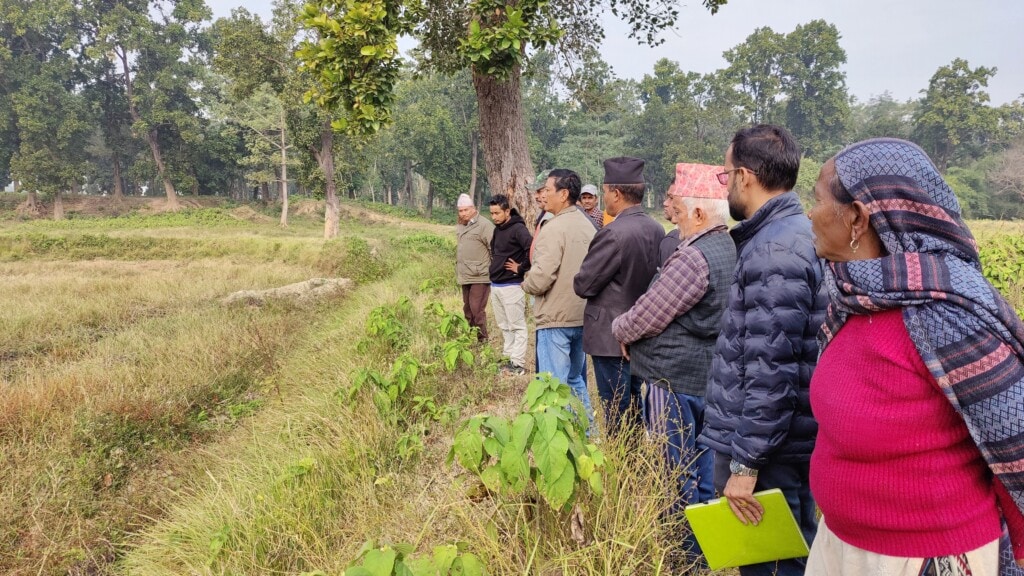
This International Day for Biological Diversity reminds us that global change starts locally. Real progress depends on communities, organisations and governments working together, and that’s exactly what’s happening in Nepal through our CONNECT project.
CONNECT is boosting biodiversity and climate resilience in and around Shuklaphanta National Park while strengthening sustainable livelihoods and regional capacity for integrated conservation and development.
Santoshi Shah and Saroj Budha from our Nepal team take a closer look….
Shuklaphanta National Park, one of Nepal’s 13 national parks, sits in the far-west of the country and stretches across 305 square kilometres of grasslands, forests, wetlands and riverbeds. It’s a haven for wildlife, including the nationally endangered swamp deer (Barasingha), and a draw for visitors from across Nepal and beyond. Through the CONNECT project, we are helping strengthen both conservation efforts and community wellbeing in and around the park.
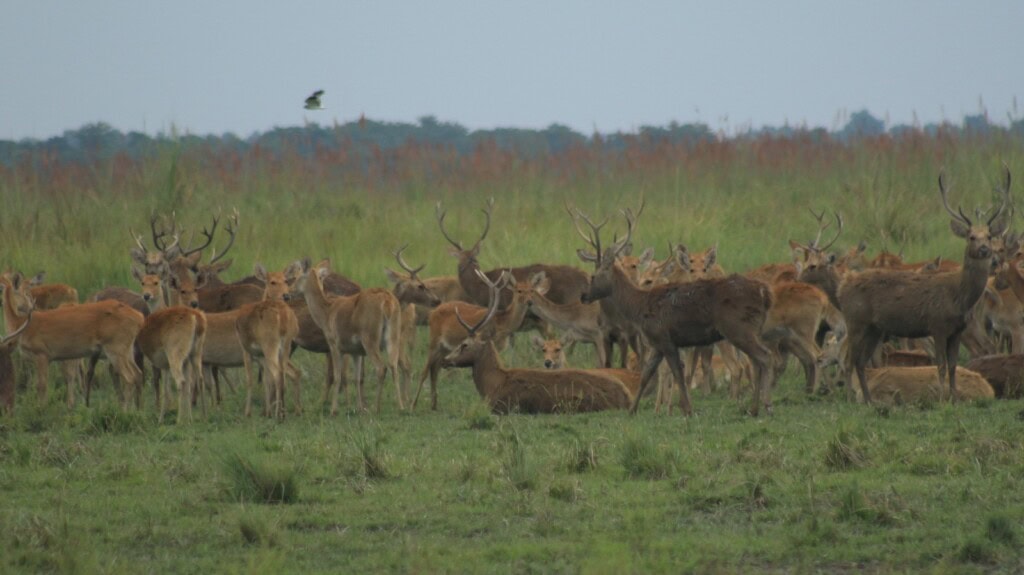
For the communities living along the park’s edge, especially in the buffer zone where people and wildlife share the same space, daily life can be challenging. Crop damage, livestock loss, injuries and even fatalities occur when wildlife enters settlements. These risks are made worse by habitat degradation inside the park – drying water sources and unmanaged grasslands push animals into nearby villages in search of food and water. Homes sit immediately outside the park boundary, leaving families especially exposed. Limited lighting at night adds another layer of stress and fears over safety, forcing residents to stay awake to protect their homes and fields.
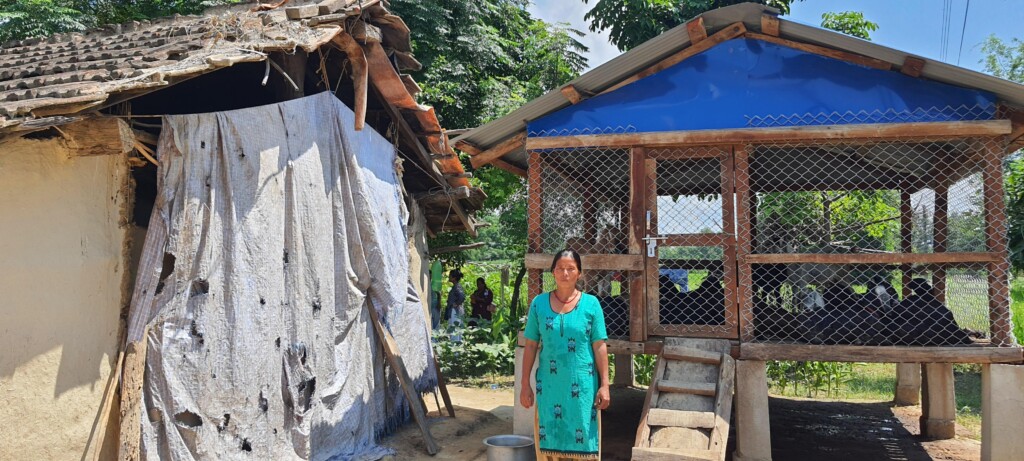
‘Earlier, it was completely dark. Elephants destroyed crops and houses, tigers killed goats, and moving at night was dangerous. After solar lamp posts were installed, it is bright and safe. We can see animals from far away, protect ourselves, help neighbours, and move without fear.’
Local resident Hikmat Rana, of Bhimdatta Municipality–14
Working with our partners, Renewable World has delivered a series of practical interventions to support both local people and conservation management.
To date, our work includes:
- Restoring 120 hectares of grassland through invasive species removal, grass cutting and controlled burning, improving habitat quality and grazing conditions for wildlife.
- Building a new watchtower to give rangers clear views across the grasslands, strengthen patrols, reduce poaching risks and enhance the visitor experience.
- Installing a solar-powered water pumping system to keep a conservation pond filled during the dry season, ensuring wildlife have reliable access to water.
- Lighting wildlife-prone areas, with 35 solar lamp posts across 4 municipalities, equally co-financed with local governments. These lights help residents spot elephants, tigers and leopards early, alert neighbours and respond more safely at night.
- Supporting organic agriculture training to boost crop productivity, strengthen livelihoods and build long-term resilience.
- Building two new wooden bridges in Shuklaphanta National Park, improving access and movement for tourists, patrol teams (Gasti), and wildlife.

Together, these actions are improving habitats, increasing community safety, supporting local livelihoods and reducing human-wildlife conflict – benefitting both people and planet.
With our gratitude for the vital support of Jersey Overseas Aid (JOA).
Find out more about CONNECT on our projects page, or explore the different ways you can get involved in supporting our work.