
World Environment Day: Climate action that starts with communities
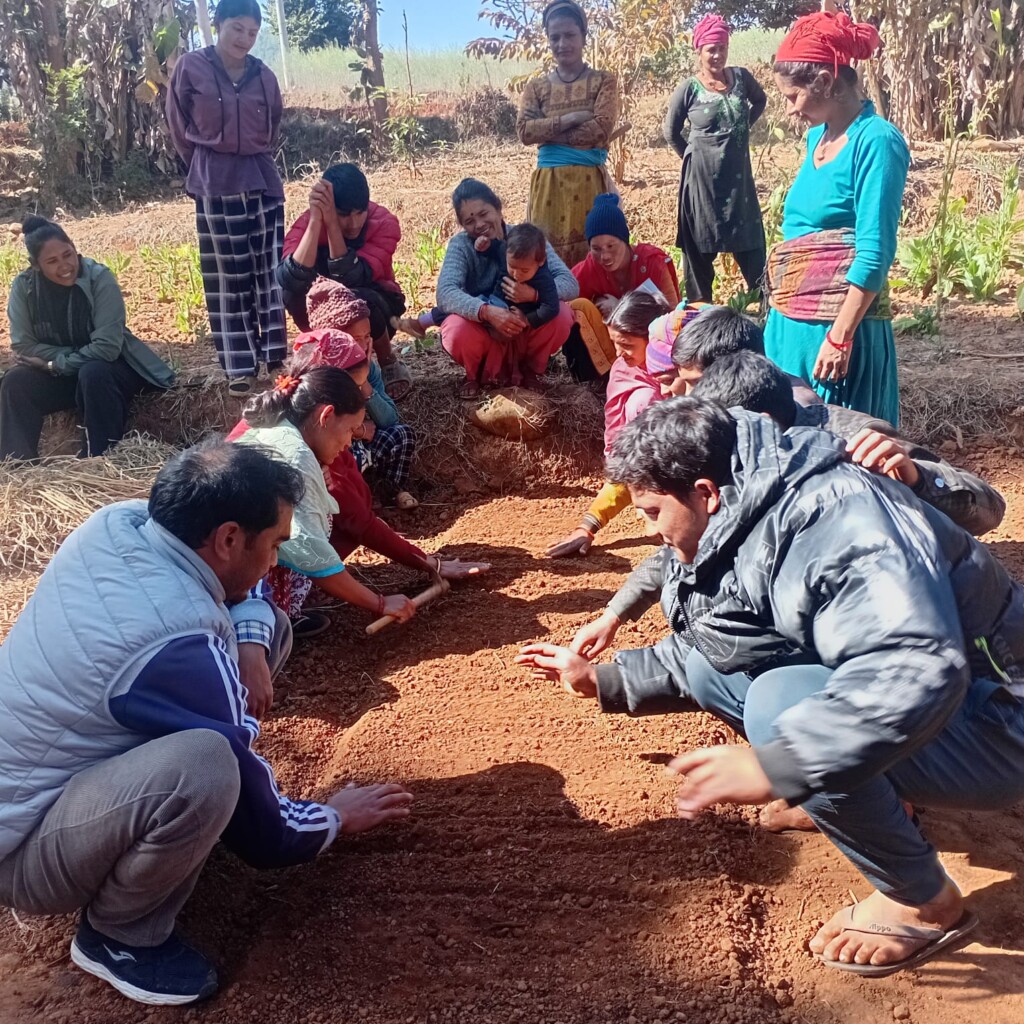
The message for World Environment Day 2026 is clear: clean energy must deliver real benefits for the communities most affected by environmental change.
Around the world, communities are already demonstrating what this looks like in practice. Our E4WASH Scale-up project in Nepal shows how solar power, safe water access, and sustainable livelihoods can work together to strengthen climate resilience and protect the planet.
The project is improving the health and livelihoods of 4,665 climate-vulnerable people in hard-to-reach communities of Jajarkot District. So far, every household in Bisnechaur has gained access to water through a solar-powered water supply system, and many families have begun growing vegetables, creating new opportunities for nutrition and income.
Here, Debrinda Karki and Prakash Gurung from our Nepal team take a closer look at one community member’s story…
Water, climate, and survival in Bisnechaur
In the remote hills of western Nepal, 45-year-old Padami once began her day at 3 in the morning with a dangerous journey to collect water from the distant Bheri River which used to be the community’s only reliable source.
Women would spend hours each day walking through steep forests, carrying heavy loads of water home. During the monsoon, they often had no choice but to use muddy, contaminated water.
One morning, while collecting water, Padami was attacked by a leopard. She survived the attack but after months of treatment her family faced medical costs of nearly NPR 1.2 million – an overwhelming burden for a rural household.
Reflecting on her experience, she says:
‘Here, we must risk our lives just for water. That day, when the leopard attacked, I thought it was the end. Surviving felt like being born again.’
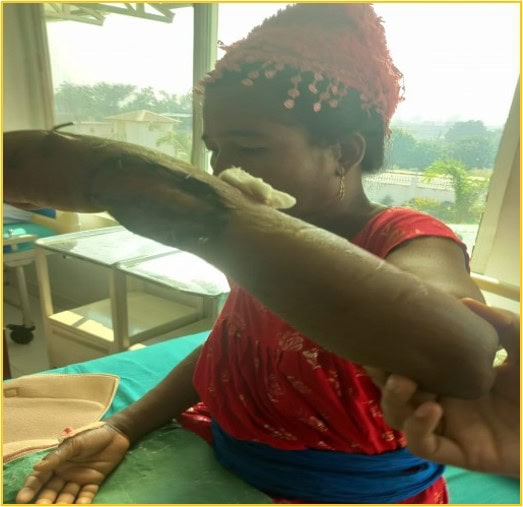
She continues:
‘Our suffering felt endless. We drank whatever water we could collect from the river. During the rainy season, it became thick with mud. Sometimes our food even changed colour because of the water. We walked with torches at 3 or 4 a.m., afraid of wild animals and afraid of falling. But what choice did we have? Water is life, and we had to fetch it, even if it meant risking our lives.’
Padami’s experience reflects the reality faced by many families in Bisnechaur, where access to safe water was not simply a daily challenge but a matter of survival. It is also a reminder of how climate vulnerability, water insecurity, and poverty are deeply interconnected.
Climate action in practice
Today, equipped with a solar-powered water system installed by Renewable World, Padami and her neighbours have a reliable clean energy powered water supply in their community. Families no longer need to make dangerous journeys through forests and riverbanks, reducing both the burden on women and children and the risk of encounters with wildlife.
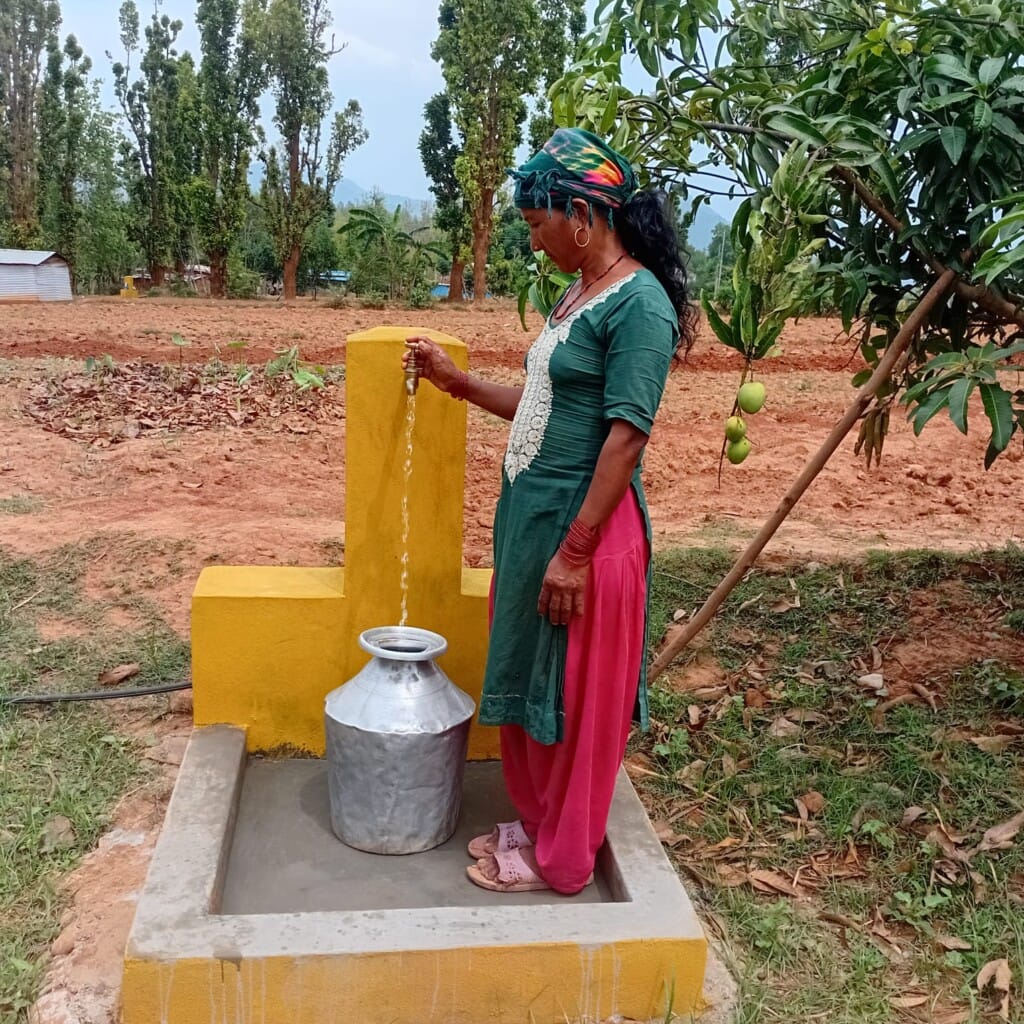
The benefits extend beyond water access. By reducing the need to enter wildlife habitats, communities can coexist more safely with nature while helping protect local ecosystems. At the same time, climate-resilient water infrastructure enables communities to adapt to increasing water scarcity and changing weather patterns driven by climate change.
Access to reliable water is improving health and well-being while supporting food security and income generation.
As World Environment Day 2026 highlights the urgent need for climate action and mitigation, stories like Padami’s demonstrate that effective solutions already exist.
When communities are placed at the centre of decision-making and supported with clean energy technologies, climate action can improve lives, strengthen livelihoods, and build a more sustainable future.
With thanks to EKOenergy for their continued and vital support of this project.
Find out more about E4WASH Scale-up on our projects page, or why not explore the different ways you can get involved in supporting our work.